30th January 2026
9mins

Mayfair is the most expensive square on the Monopoly board, and over the past year, it has solidified its position as London’s most sought after superprime neighbourhood…
More £5m+ deals were struck in the grid of streets due west of Hyde Park last year than anywhere else in the British capital – more than one in eight according to research by estate agent Savills.
While high buying costs – and the sunsetting of the non dom tax system – have certainly made overseas buyers think twice about investing in the UK, it seems that Mayfair’s mix of glorious architecture, an enviable lifestyle, and kudos is proving hard to resist.
Black Brick recently helped a Swiss-based family looking for a family apartment purchase a £5.95m apartment on Mount Street, one of Mayfair’s glitziest streets. Like so many of the best-located homes in the W1 postcode, it was being sold-off market and never made it onto the property portals.
When Camilla Dell, managing partner of Black Brick, founded the company back in 2007 few buyers were interested in homes in Mayfair. “It was a place where you went to have a meeting, not to live in,” she said.
But since then, Mayfair’s major landowner, Grosvenor, has pumped money into upgrading Mayfair, carefully curating its shops, restaurants, and private members clubs, prettifying its streets, and generally making it a desirable place to live. Private investment has also been active, with developments like Clarges Mayfair, One Grosvenor Square, and Twenty Grosvenor Square providing the postcode with extremely upscale new homes.
In the pipeline is a £1bn upgrade of Piccadilly and Shepherd Market by Motcomb Estates, owned by the Reuben brothers which is bringing new apartments and amenities to the southern side of Mayfair.
Beyond Mayfair, superprime sales in London hit a five year low during 2025, with the number of £5m-plus sales – a total of 412 – down 11 per cent year on year. However, there was a pick-up towards the end of the year, when the worst fears of the budget failed to materialize. Activity in the £10m to £15m range fell by 31 per cent year on year, although the final three months of the year showed an increase on previous quarters.
Black Brick was able to complete five deals, collectively worth £30m, in the tail end of 2025. “It was like a pipe unblocking,” said Tom Kain, a partner at Black Brick.
And – so far – confidence seems to be holding into the new year with buyers raising few concerns about the prospect of paying an annual “mansion tax” on homes valued at more than £2m from 2028.
“I think that 2026 has started really positively,” added Dell. “We are 19 per cent up year on year in terms of new client enquiries. It definitely feels like the market has a bit of bounce on it.”
Prime London property is right on the cusp of a period of growth, according to estate agent Savills, with the suburbs leading the way.
It reports that average sale prices in Prime Central London (PCL) fell by a painful five per cent during 2025. Homes in Prime Outer London (POL)were down by just one per cent in the same period.
It predicts that this year things will be a little better: PCL prices will drop two per cent, while POL will flatline.
The good news is that the market will return to the black in 2027, with prices stable in PCL and up one per cent in POL.
All being well, prices will continue to rise gently between 2028 and 2030. The cumulative price growth in PCL will be eight per cent, believe Savills, while POL growth will be back into double figures, up 12 per cent.
Dell believes that a key reason for POL’s comparative resilience is the fact that it is a generally domestic, needs based market, with young couples and families seeking value for money by moving a couple of miles out of the thick of things to a leafy neighbourhood where they can afford a whole house for the price of a PCL apartment. Their buying ambitions are being eased by a slow fall in mortgage interest rates. And by leapfrogging the early rungs of the housing ladder they also save themselves from having to pay multiple sets of Stamp Duty.
The result is that neighbourhoods like Chiswick, Putney, and Muswell Hill are quietly thriving. “They are one part of the market that is actually still quite competitive,” said Kain.
While overarching price data tells one story, more granular figures can tell a whole different tale.
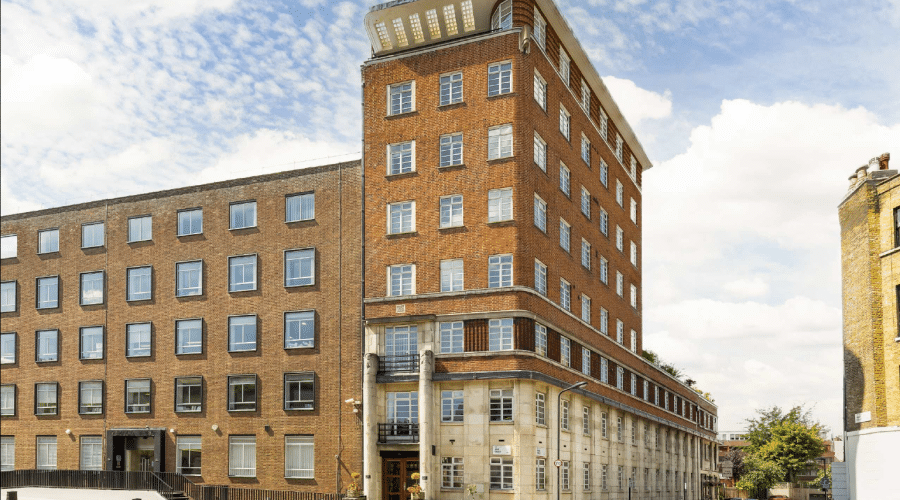
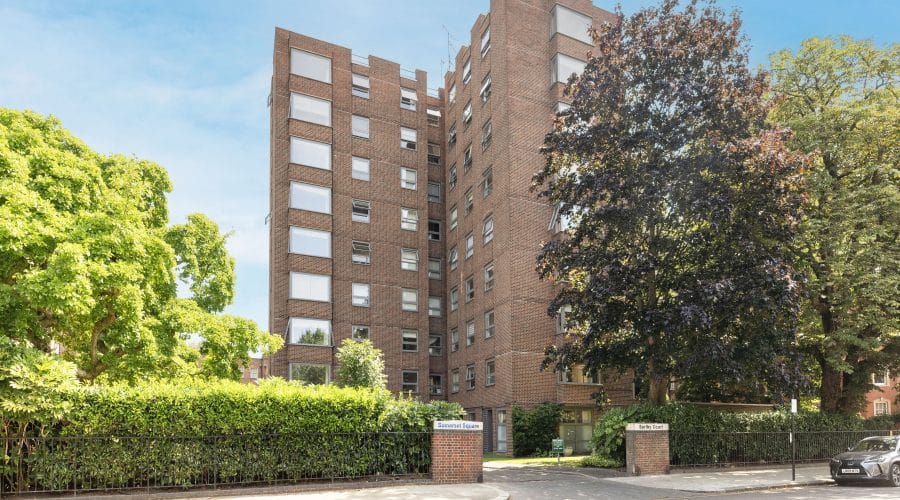
Yes, house prices in central London have had a difficult decade, but it is apartments which have borne the brunt of price falls. Houses, meanwhile, are looking like a considerably safer investment, particularly out beyond traditional PCL.
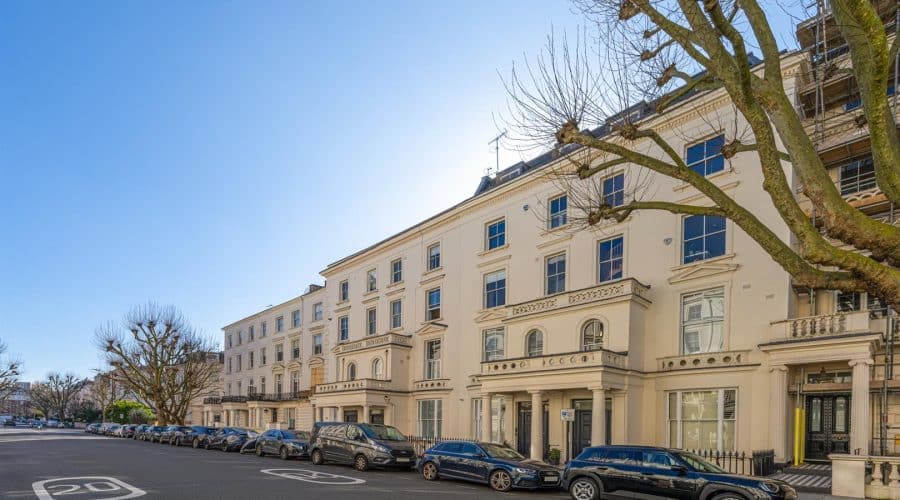
Exclusive research by estate agent Hamptons shows that across Kensington and Chelsea, London’ most expensive borough, the average sale price stands at £1.245m. This is a drop of 14 per cent since 2014, the last price peak in the market, making the heartland of PCL the worst performer in London.
But it is worth looking a little closer. Because the average price of flats in Kensington and Chelsea fell by 17 per cent during the period, falling below the symbolic £1m mark to a current average sale price of £987,330.
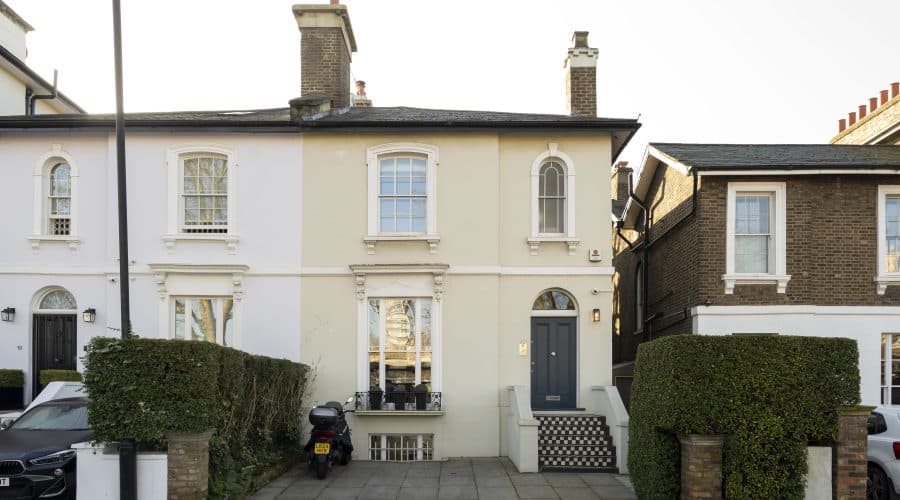
House prices have also fallen, but only by a fraction of the amount, with terraces down by eight per cent, and semi-detached and detached homes down by three and four per cent respectively since 2014.
The same pattern can be seen in Westminster, where average prices are down ten per cent in the same period to hit £910,000. Within this, flat prices have fallen by 11 per cent, terraces are down only one per cent, and semi-detached and detached homes have stayed the same.
Affluent suburbs have performed much better than PCL – but houses are still outdoing flats. Average sale prices across Richmond upon Thames have grown a serviceable 23 per cent since 2014.
Within that, flats have seen 12 per cent growth, while terraces are up 20 per cent. Detached houses have increased in value by 29 per cent, while the price of semi-detached houses has grown by 31 per cent.
Whilst the pandemic inspired race for space is clearly one reason behind the comparative resilience of houses, Dell feels that there are other reasons why some buyers are avoiding apartments.
“Flats have had a lot of bad press,” she said. “There are concerns about the whole leasehold system and the cost of extending a lease. The Building Safety Act, introduced after the Grenfell Tower fire, brought in new legal requirements on buildings’ design, management, and safety. Some buildings are handling this very well. Some are not.”
The escalating cost of ground rent has been another deterrent, although – finally – the Government is poised to tear up the feudal system. It has just announced plans to cap ground rent at £250 per year, reducing to a peppercorn payment after 40 years. The new rules could potentially come into force in 2028.
But it can do nothing about service charges, which have escalated far faster than inflation in recent years.
In some cases, owners of apartments must pay more than £30-per-sq-ft per year to pay for extras like swimming pools and spas.
“One of our wealthiest clients is looking for an apartment but he doesn’t want any of those extras,” said Kain. “He won’t use them, so he doesn’t put any value on them, and he doesn’t want to pay for them.”
Whatever your buying wants, 2026 is looking like a good year to buy, in terms of choice at least.
The number of new sale instructions in December was 32 per cent higher than in December 2024, according to house price analyst LonRes, and a resounding 66.3 per cent higher than the 2017-2019 average for December.
The result is that the number of homes for sale by the end of December was ten per cent higher than a year ago. The number of £5m+ homes available for sale across prime London grew by 11.4 per cent during 2025.
There are, however, early signs that on-the-fence buyers could finally be gearing up to move during 2026.
Registrations for conveyancing, survey and removals quotes jumped 58 per cent at the start of January, compared with the same period last year, according to-moving comparison site Reallymoving. And conveyancing registrations – the number of people shopping for lawyers to help them through the buying process – rose 74 per cent.
Our clients were looking for a spacious apartment and had a very clear idea of where they wanted to live, close to family, which meant that our search area was extremely narrow.
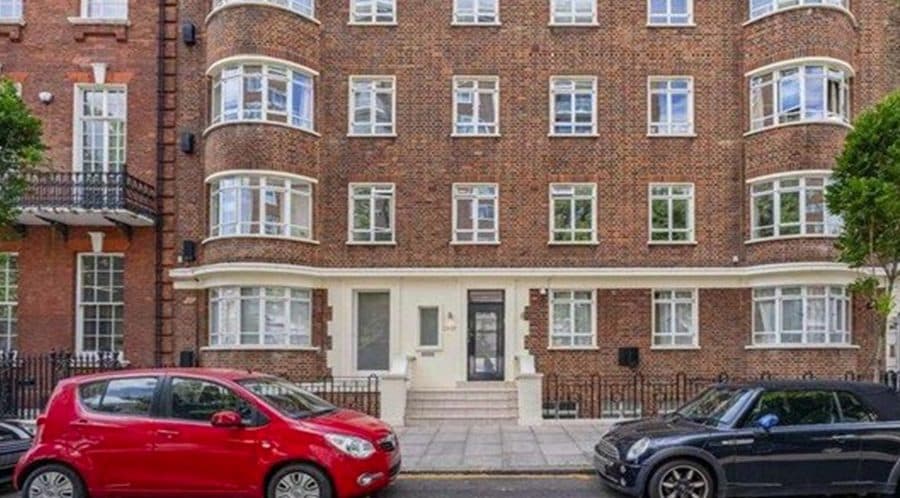
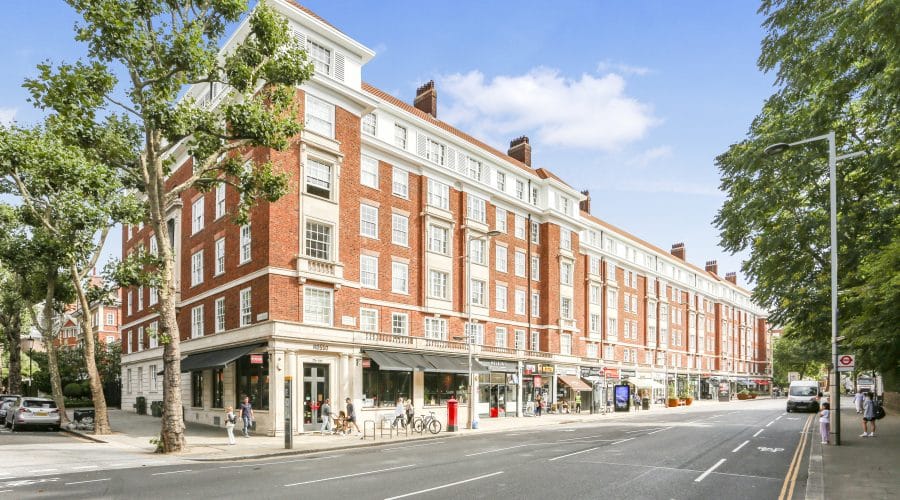
We carried out a very focussed search of on and off market homes, and were able to identify a large lateral flat in an elegant mansion block close to Holland Park which we know is also very well run.
The flat itself was in need of renovation and a lease extension and we helped our clients decide by providing a clear quote for what it would cost.
Given the go ahead, we were able to negotiate a £225,000 (nine per cent) discount on the original asking price, which meant they bought the flat for £842 per square foot.
Our repeat client from Asia, already owned an apartment in Belgravia, which we had sourced for them several years ago and came back to us when they were ready to upsize.
The difficulty was that most grand period homes on prestigious streets never get to the open market, which meant that we needed to tap into our network of off market contacts to find the perfect property.
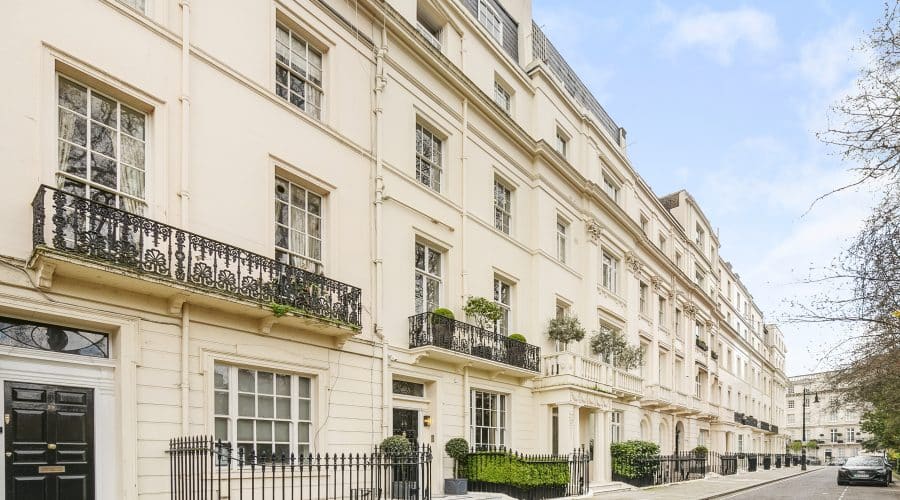
Since our client lives overseas, we presented them with detailed information – including video tours – of the homes we shortlisted for them. Their favourite option was a six-bedroom townhouse on one of Belgravia’s most photogenic streets with access to a communal garden.
The house was originally on sale for almost £16m, but we were able to negotiate our client a 13 per cent discount – they ended up paying £2,495 per sq ft for the property.

We would be delighted to hear from you to discuss your own property requirements. For a non-obligatory consultation, please contact us.