‘London needs to make foreign investors feel welcome’

By Caroline Roux.

Black Brick on Mayfair’s Next Chapter: The Reuben Brothers’ £1 Billion Bet

As one of London’s most ambitious luxury property developments takes shape in the heart of Mayfair, Black Brick founder Camilla Dell has been providing expert commentary on the opportunities and challenges facing the capital’s most prestigious postcodes, according to in-depth reporting in the Financial Times.

The Reuben Brothers — Britain’s second wealthiest family — are investing £1 billion across 1.3 acres of prime Mayfair land, transforming the Piccadilly Estate into a new quarter encompassing apartments, a members’ club, a hotel and reimagined public realm. The centrepiece developments include One Carrington, a boutique block of 28 apartments priced from £2.95 million, and the forthcoming Cambridge House — a Grade I listed Palladian building being converted into a 102-room hotel and seven residences.

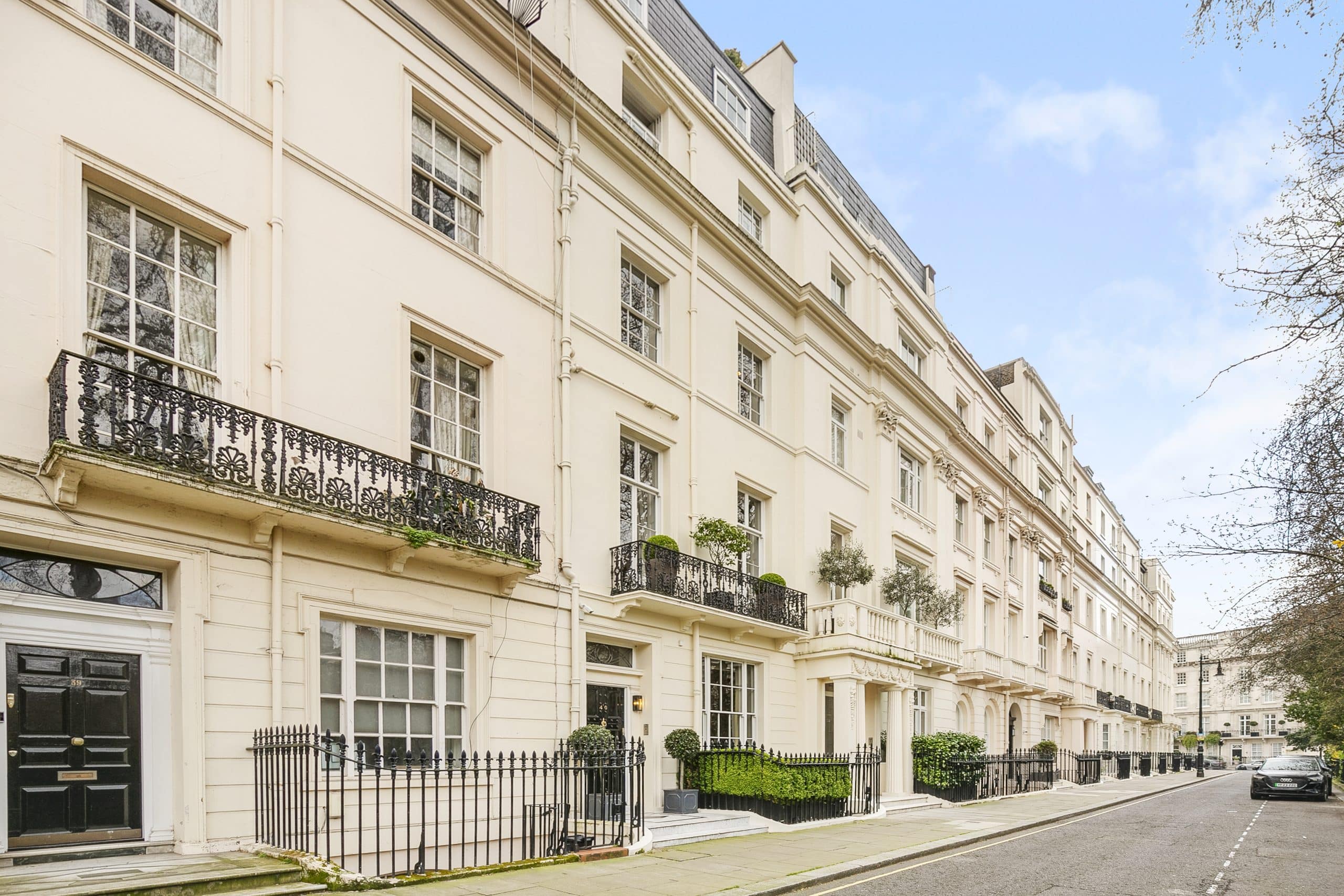
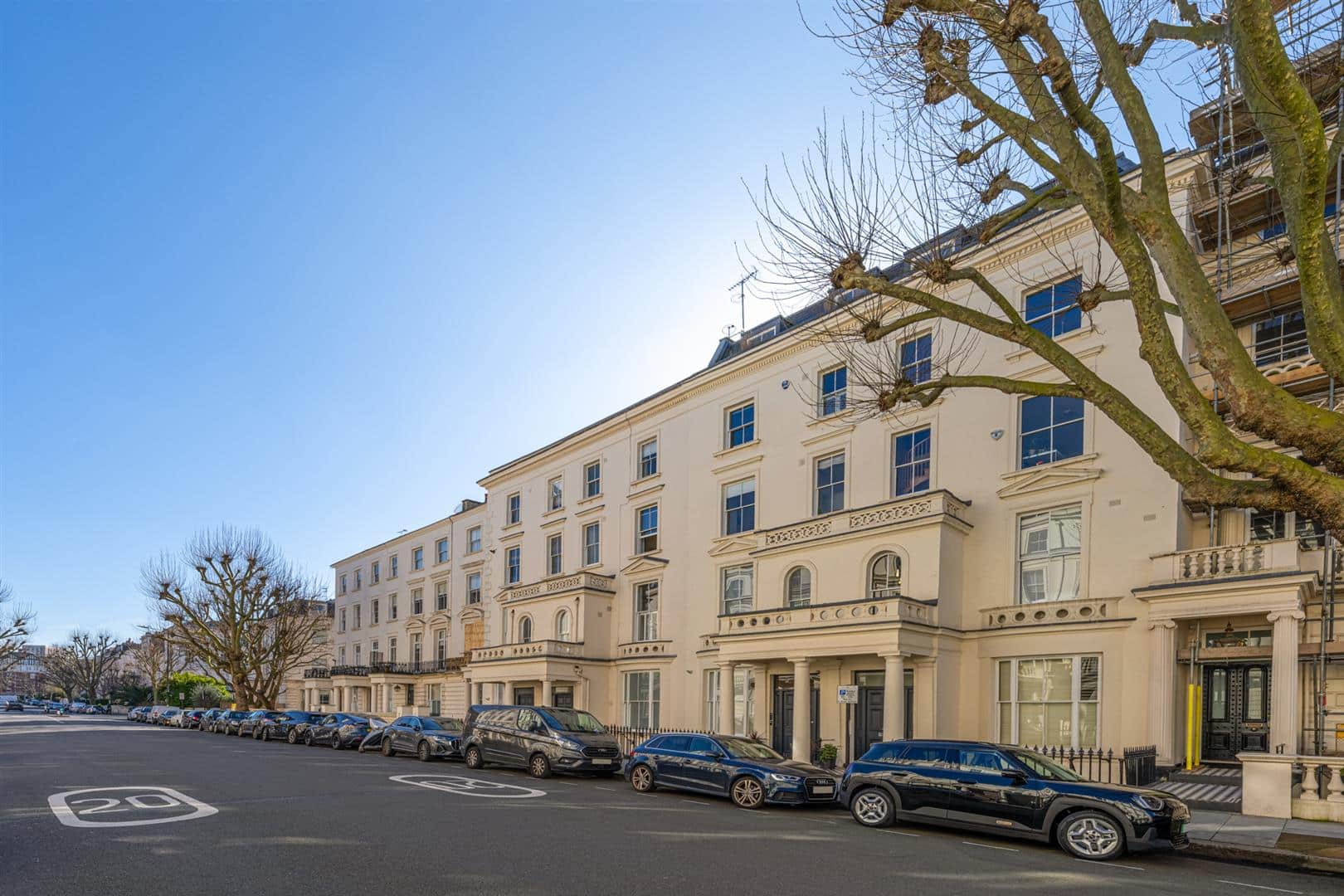
Dell offered a characteristically precise assessment of Mayfair’s internal geography for the FT, drawing a clear distinction between the market’s strongest and weaker pockets. “We would consider prime Mayfair to be Grosvenor Square, Mount Street, bits of Davies Street,” she said, noting that off-pitch locations present a harder sell — and that several existing new-build schemes in the area have properties that have been sitting on the market for some time.

On One Carrington specifically, Dell acknowledged that the improvements being made at street level — including the pedestrianisation of Shepherd Market, part-financed by the Reubens in partnership with Westminster Council — would meaningfully support buyer appetite. “I would have to talk most of my buyers into viewing One Carrington,” she said. “But these improvements at ground level will help.” She also pointed to the strong performance of comparable boutique schemes, citing Hanover Square’s Mandarin Oriental residences as a benchmark: “Hanover Square sold really well — because they were on for £3 million to £6 million.”

The development is launching into a challenging market: prime London property sales above £5 million were 14% lower in the year to May 2025 than the previous twelve months, with overseas buyers now facing stamp duty rates that can exceed 17%. Nevertheless, American buyers are emerging as a significant source of demand, drawn by prices that remain well below their 2014 peak and a favourable currency position.

Read the full article here.

The £400m blossoming of Bloomsbury

By Liz Rowlinson.

Black Brick on Bloomsbury: London’s Best Value Central Postcode

As American buyers continue to look beyond London’s most obvious prime postcodes, Black Brick’s Tom Kain has been guiding clients through the compelling case for Bloomsbury — one of central London’s most undervalued and intellectually rich neighbourhoods, according to reporting in the Financial Times.

Bloomsbury’s value proposition is striking. Average achieved prices last year stood at £1,137 per square foot — meaningfully below the prime central London average of £1,654 per sq ft, and lower than nearby Fitzrovia (£1,480) and Marylebone (£1,581). Crucially, this also represents a discount to where Bloomsbury itself was trading a decade ago, when average prices topped £1,200 per sq ft between 2015 and 2017.

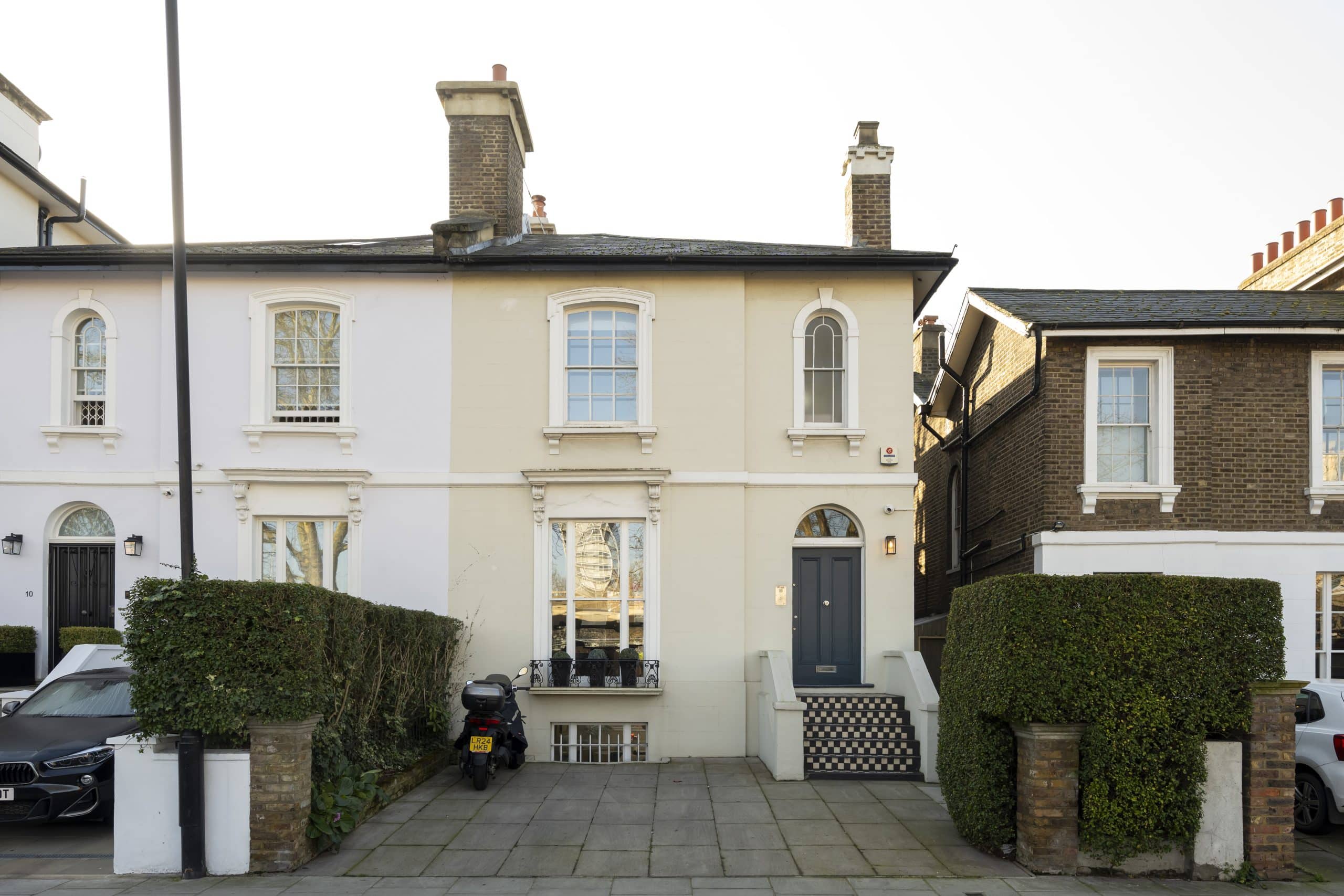
Kain offered a characteristically straightforward assessment of what the neighbourhood offers. “You don’t really buy in Bloomsbury for capital growth,” he told the FT. “You buy in Bloomsbury because it’s good value for central London.” He illustrated this with a concrete example: Georgian townhouses in Bloomsbury trade at around £1,500 per sq ft compared with £2,000 per sq ft in Marylebone — a 25% premium for crossing into a neighbouring postcode.

The neighbourhood is undergoing meaningful change. A £400 million investment programme led by Bedford Estates, alongside Imperial London Hotels and other partners, is improving public spaces, attracting boutique hotel brands and drawing major office occupiers including GSK and McKinsey. The opening of the Elizabeth Line at Tottenham Court Road has already enhanced connectivity significantly, and office vacancy rates in the area are falling.

For buyers seeking genuinely central London living — walkable to the West End, the British Museum, the Eurostar terminal and major cultural institutions — without the price premium of Mayfair or Marylebone, Bloomsbury represents one of the more interesting opportunities in the current market.

As featured in the Financial Times.

Read the article here.

Super-prime London’s cut-price property deals

By Hugo Cox.

Black Brick: Buyers Have More Power Than at Any Time Since the 2008 Financial Crisis

In one of the most authoritative assessments of London’s super-prime property market to appear in recent years, Black Brick founder Camilla Dell has laid out in stark terms just how dramatically the balance of power has shifted towards buyers — and the exceptional results her clients are achieving as a result, according to in-depth reporting in the Financial Times.

Dell opened with a striking example: a client who offered £3 million below the circa £20 million asking price for a home in a prestigious central London development, held firm through two rounds of counter-offers over several months, and finally had their original bid accepted days after the October Budget. “The public line is that new homes never sell with a price cut, but now that’s just nonsense,” she told the FT. “It’s a measure of how much power buyers have: in nearly 20 years the only market as good for buyers as this one was the few months following the financial crisis of 2008.”

The deals Black Brick has secured for clients this year illustrate the scale of the opportunity: nearly £3.5 million off a £13.5 million Knightsbridge townhouse for a Middle Eastern buyer; £475,000 off a £2.35 million Chelsea apartment; and £1 million off a £4.75 million mews house near Sloane Square.

The forces driving this shift are well established: the abolition of non-dom status removing a significant cohort of international buyers, persistently high borrowing costs, unsold new homes in central London running at close to record levels, and a growing pool of motivated sellers who have been waiting through successive crises and can wait no longer. In the three months to September, just 102 homes sold for £5 million or more in London, down from 155 the previous year.

Yet Dell is clear that this creates a genuine window for well-advised buyers — and that not all segments of the market are equally affected. Middle Eastern buyers using London homes for holidays, families buying for children making London their long-term base, and American buyers unaffected by non-dom considerations are all active. “London will come back,” Dell has said consistently — and for those buying now, the terms available may not be seen again for years.

As featured in the Financial Times

Read the full article here.

Market for London’s top-end homes showing ‘signs of life’

With Savills recently reporting that prime central London is growing “for the first time since September 2014, despite the absence of international buyers”, it’s fair to say that the capital’s luxury housing market is alive and well.

Our Founder, Camilla Dell is delighted to have been featured in a new article all about the sector this week in The Financial Times.

In the piece, she shared how the market is “finally showing signs of life”, thanks to the recent easing of travel restrictions. “It started in August when we suddenly had a lot of Middle Eastern clients coming over,” Camilla explained, adding that more clients arrived at the beginning of the school term, with prospective buyers coming mainly from North America, West Africa and the Middle East.

Read more in the full article here.

Lack of overseas buyers hits London’s prime property

London’s not getting much hype right now with its usual array of cultural events and activities put on hold until the pandemic is over.

“It’s clear that the buzz and many of the things that make London great are just not there right now”, Black Brick’s Founder, Camilla Dell commented in her feature for The Financial Times this week.

Reflecting on the pandemic’s impact on London’s prime property market, Camilla shared how, in recent weeks, the popularity of London’s greener suburb regions like Richmond and Hampstead had surpassed that of the ‘golden’ postcodes in Belgravia, Knightsbridge and Kensington.

“When we do viewings there, it’s clear that the buzz and many of the things that make the city great are just not there right now,” says Dell. “But it’s too early to say whether the shine has gone off London as an investment.”

Read more in the full article here.

Will the pandemic bring high rise service charges back to earth?

Featuring in a new article this week for The Financial Times, Black Brick boss Camilla Dell shares how London buyers are ‘deserting’ luxury high-rises for their own four walls.

“In the pandemic some weren’t even able to use those gyms and facilities but were still paying these charges,” she said. “In the world [post-Covid] the idea of sharing facilities really doesn’t appeal now.” 

Read more in the full article here.

English property market rebounds on pent-up demand

Is the property market coming back to life yet?

In a new article for The Financial Times this week, Black Brick Founder and Managing Partner, Camilla Dell shared her perspective as a London buying agent for prime property:

“There is quite a big gap at the moment between buyers, who feel the world is not what it was, and sellers, who think they’ll just hang on.”

Read more the full article here.

Meet the estate agents turning themselves into superstars

As the world continues to go a *little* crazy in lockdown, some professionals in property are dialing up the fun-meter in a bid to grab attention and stay on top.

Offering her view on the trend, our Founder and Managing Partner, Camilla Dell shared with The Financial Times how in the UK, some high-end sellers simply do not want an online presence because of confidentiality and security:

“The property might have artwork and family photographs. Private individuals don’t want that kind of exposure or need that kind of exposure.”, she warned.

Read more in the full article here.

Home sales slide in Battersea Nine Elms

According to Zoopla, some of the Battersea Nine Elms high-end homes have had their prices cut by more than 25% since being relisted for sale.

It comes as the area faces lower-than-expected attraction from wealthy buyers looking to cash in on Battersea’s wider regeneration project.

Commenting on the area and its hopes for becoming a premium property hotspot, our Founder and Managing Partner, Camilla Dell shared her thoughts in The Financial Times:

“People are quick to bash Nine Elms and that part of Battersea,” Camilla said, “but that’s oversimplifying things. In five or so years’ time, the clatter of power tools will hopefully no longer fill the air and the wind-tunnel streets around the US embassy will have been transformed into the thriving community spaces that developers have promised. Because of its potential, Battersea is an area worth considering”

Read more in the full article here.

How the super-wealthy struggle to value their properties

As the world’s ultra-rich increase in numbers and the market for high-end properties becomes larger, intense price negotiations for luxury UK homes are becoming increasingly common.

In a new piece for The Financial Times this week, Black Brick’s Founder and Managing Partner, Camilla Dell shared how a recent story of how “one home on Cresswell Place in London’s Kensington was marketed for £37.5m but sold for 40% less, at £22m”.

“For super-prime property to hold its value over time it needs to be the right super-prime, without compromise. Not just the right address, but the right part of the right address”.

Read more in the article here.